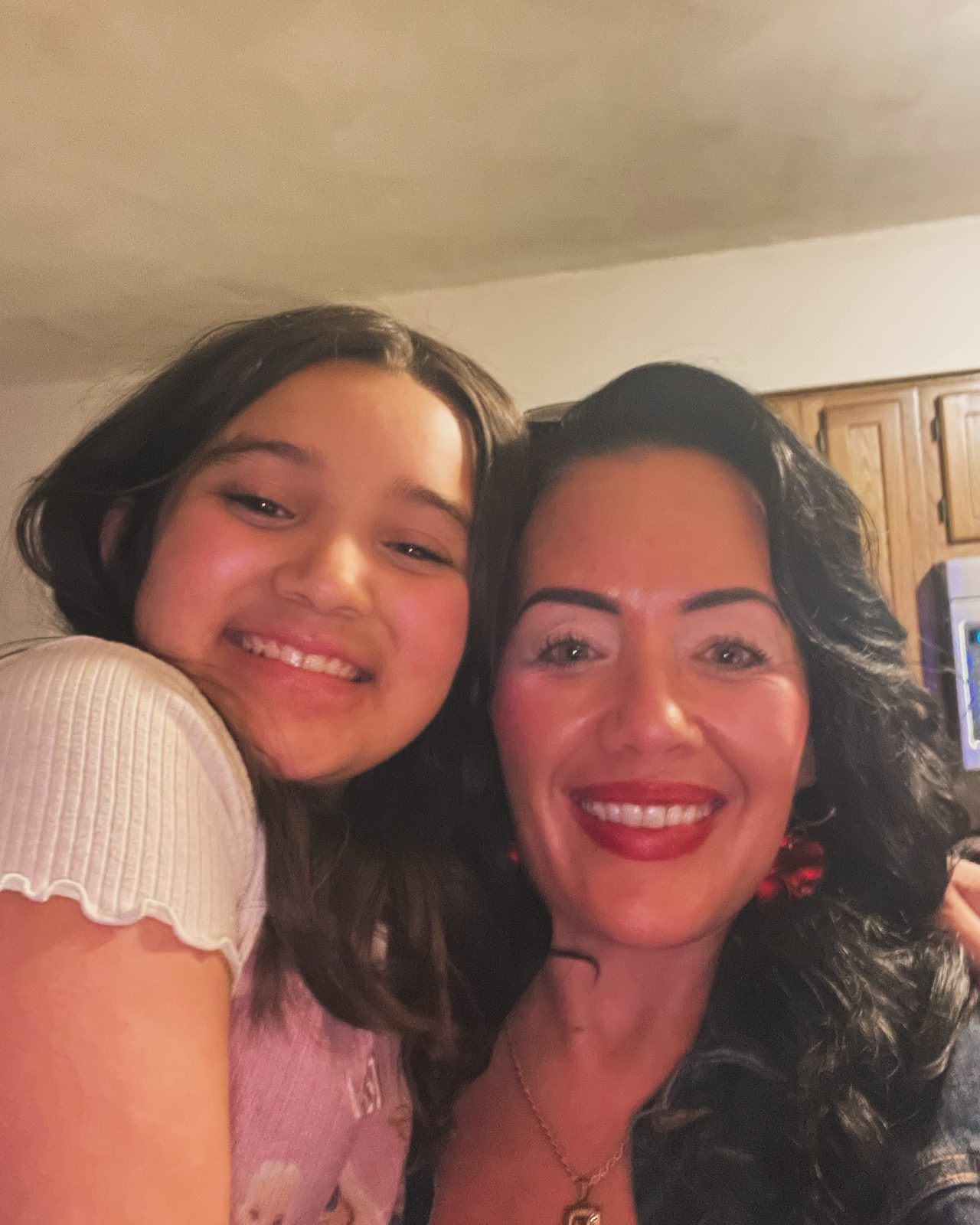
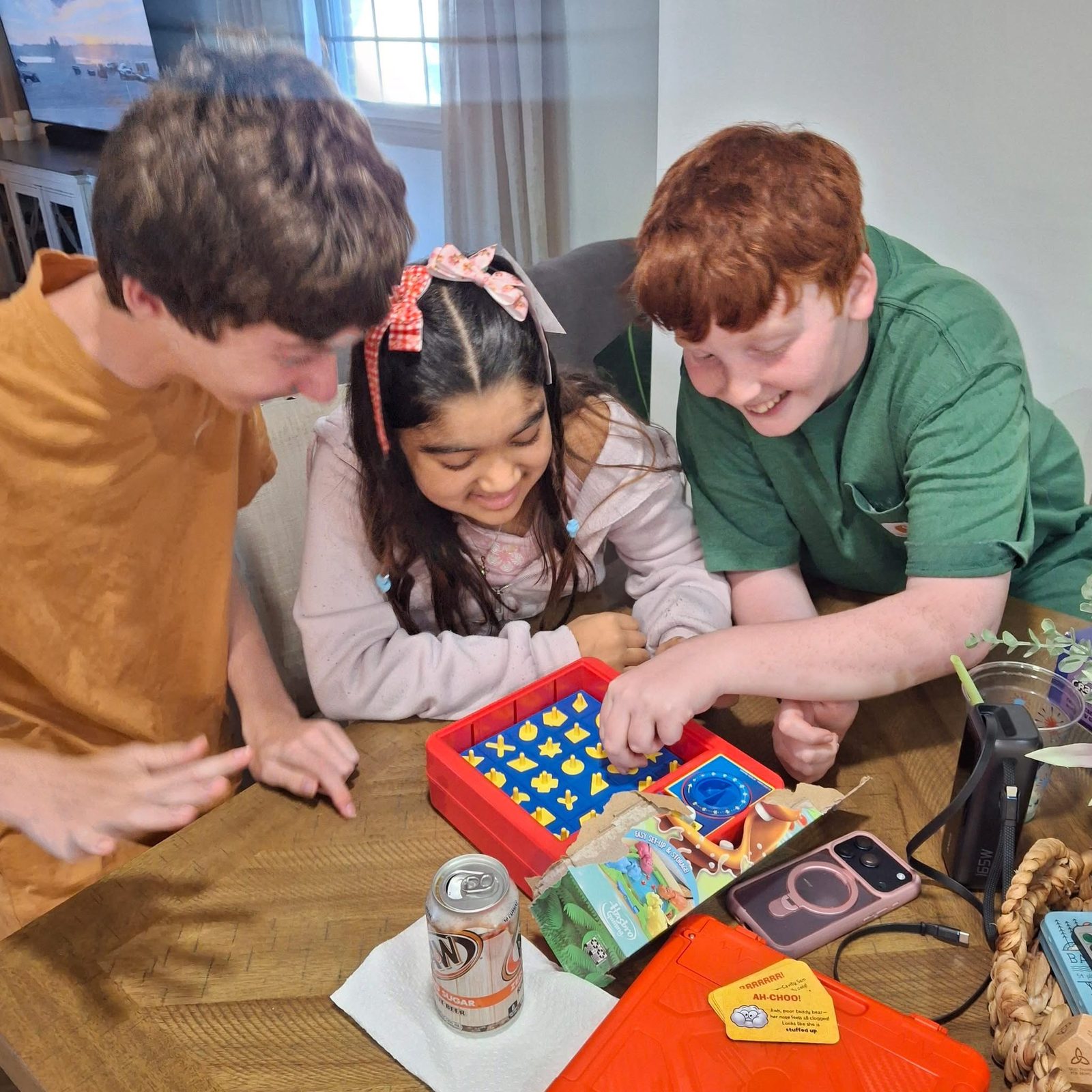
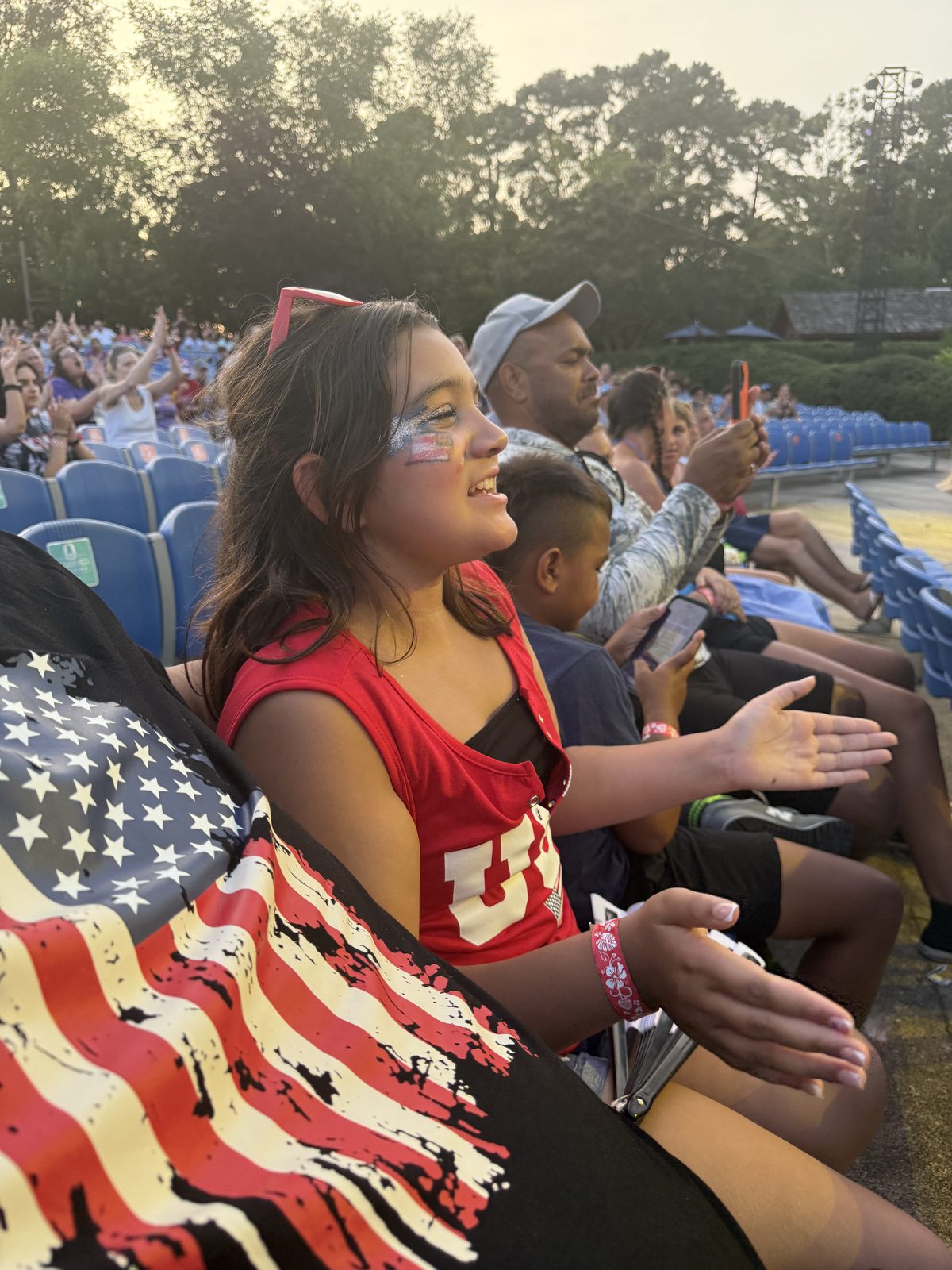
Sofia is a brave 12-year-old girl in need of a living kidney donor. Every share, every conversation, and every act of kindness brings her one step closer to hope.
Not type O? You can still help. Through paired exchange, your kidney goes to a matching stranger and Sofia receives a matching kidney in return.
A local news channel shared Sofia's story. Watch it and share it to help us reach more people.
Read the newspaper story: The Virginian-Pilot, September 8, 2026, also published in the Daily Press.
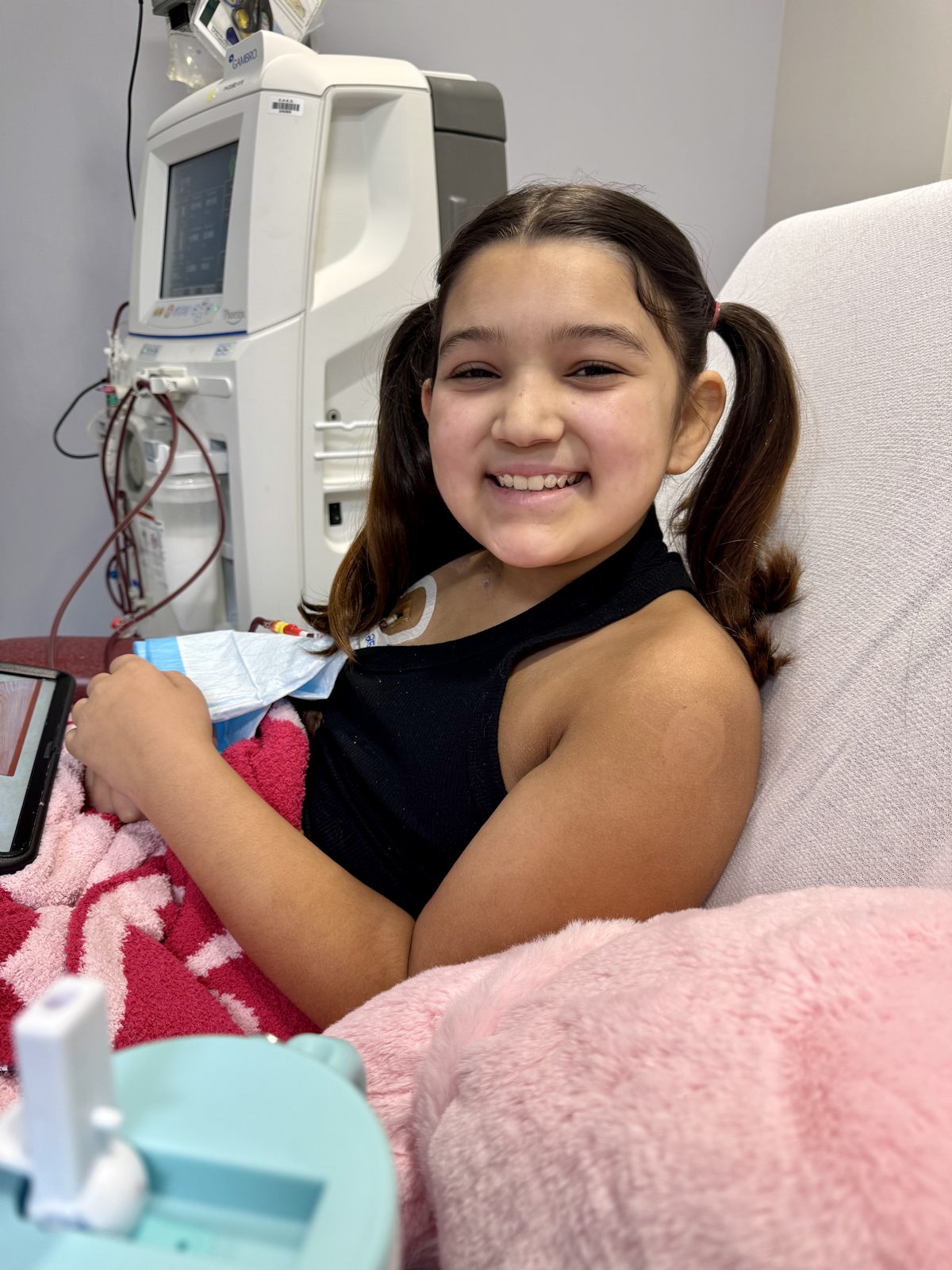
Sofia has been on dialysis at home seven days a week since October 2025. Dialysis keeps her alive, but only a transplant gives her her childhood back, and a kidney from a living donor works better and lasts longer than one from a deceased donor.
One healthy person can give Sofia a kidney, and a second chance at school, sleepovers and growing up.
Sofia can accept O positive or O negative. Every other blood type can still help through paired exchange.
A transplant means energy, freedom, time with her family, and days that are not built around a machine.
More detail in the questions below.
This is the part most people have never heard, and it is the single most important thing on this page. You do not have to be a match for Sofia to be the reason she gets a kidney. Most people who step forward for someone turn out not to be compatible. That used to be the end of the story. It is not anymore.
If you are compatible with her, you donate to her directly and this is where it ends.
Your kidney goes to another patient somewhere in the country who is a match for you: someone else's child, parent or friend who has been waiting too.
That patient has a willing donor who was not a match for them, and that kidney comes to Sofia. Two transplants happen that could not have happened otherwise.
So the honest ask is simple: if you are healthy and willing, get screened, whatever your blood type. O positive and O negative can give to Sofia directly. Everyone else can still be the person who ends her wait.
Answers below come from the National Kidney Foundation and the federal transplant network (OPTN/UNOS). Your own transplant team will go through all of it with you before you decide anything.
Not the medical part. The recipient's health insurance covers your evaluation, the surgery, your hospital stay and your follow-up appointments, whether or not you know the recipient. What is not automatically covered is lost wages and travel. The National Living Donor Assistance Center (NLDAC) reimburses travel, lodging, dependent care and lost wages for donors who qualify, and the transplant social worker helps you apply. One caveat worth knowing up front, in Sentara's own words: if the evaluation turns up a pre-existing condition that needs further work-up, that part may be billed to your own insurance.
Most donors make a full recovery four to six weeks after surgery. People with desk or remote jobs are often back sooner; physically demanding jobs can take six to eight weeks. No lifting anything heavy for about six weeks. Most donors are in the hospital only one to three days.
Donating does not change your life expectancy, and donors are able to return to work, normal activity and a regular diet. Fewer than 1% of donors go on to develop end-stage kidney disease, and if that ever happened, you would receive higher priority on the national waiting list. Living donation is still surgery, so there are real risks (bleeding, infection, hernia) that your surgeon will go through with you honestly. Donors are screened thoroughly and are only approved if they are healthy.
You can still help her, and this is important enough that we gave it its own section above. Through kidney paired donation your kidney goes to a patient who matches you, and that patient's willing but incompatible donor gives a matching kidney to Sofia. Sentara Norfolk General, the center that evaluates Sofia's donors, arranges these through the National Kidney Registry, and the federal transplant network runs a national program that is free to join. Your blood type does not have to match Sofia's. This is why donors of every blood type are worth screening.
A kidney from a living donor lasts about 15 to 20 years on average, compared with 7 to 10 years from a deceased donor, and it is more likely to start working immediately. Sofia is 12. The difference is measured in the years of her life.
No. The prescreening form takes about ten minutes and is confidential. You can stop at any point, for any reason, and you never have to give a reason. Sofia's family never sees your medical information. Federal rules require the hospital to assign you an independent donor advocate whose only job is to protect your interests and make sure your decision is free from pressure.
Yes. Donors can be evaluated near home, and in paired donation the kidney can be shipped or the donor can travel. Start with the prescreening form and the team will work out logistics with you.
Use the Sentara prescreening form in the How To Be Screened section below, and enter Sofia's name, date of birth and CHKD as the transplant hospital. Questions first are welcome: kidney4sofia@gmail.com.
The prescreening form takes about 10 minutes, it is confidential, and it costs you nothing. Sofia's family never sees your medical answers.
1. Open the Sentara living donor prescreening form:
Open the Sentara Prescreening Form → sentara.donorscreen.org (opens in a new tab)
2. Complete the confidential health questionnaire.
3. Enter Sofia as the person you wish to donate to:
Questions first? Email kidney4sofia@gmail.com. We answer every message. You can stop at any point, and there is no obligation.
Download the printable flyer (PDF). Please post it at work, church, your gym or anywhere people gather.
Sofia's donor is most likely someone none of us has met yet. Sharing is how we reach them.
One person reading this page is Sofia's match. It takes about ten minutes to find out if it is you.
See How To Be Screened